
How Foreigners Can Buy Real Estate in Berlin
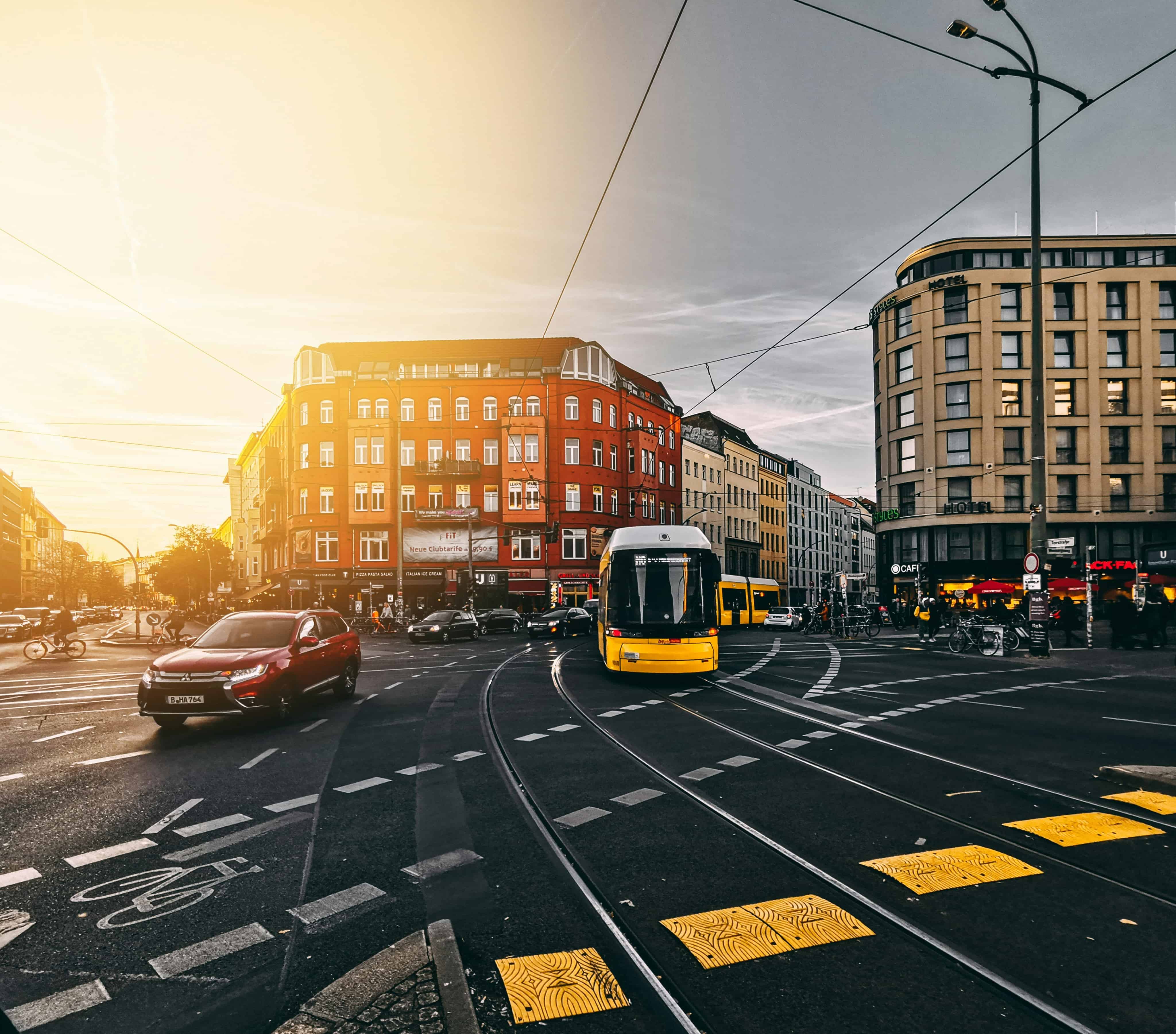
Yes, foreign nationals can buy real estate in Berlin. In Germany, there are generally no specific restrictions on property ownership for foreign individuals. EU citizens and non-EU citizens purchase property under the same civil law framework as German buyers.
What differs are the practicalities and preparation: financing, tax obligations, power of attorney, closing costs, and choosing the right district. This guide explains the process and highlights where international buyers most often run into difficulties.
You can find current listings under “Buy an Apartment in Berlin.” English-speaking prospective buyers can also view the selection on the English-language page “Properties for Sale in Berlin.”
Can foreigners buy real estate in Berlin?
In short: yes. You do not need German citizenship to register ownership in the land registry. Residency in Germany is also not mandatory for the purchase itself, but it is often helpful for financing, tax, and administrative purposes.
It’s important to distinguish between:
- Legal purchase: possible for foreigners
- Bank financing: possible, but often with stricter equity and documentation requirements
- Taxes and rental income: German rules also apply to non-residents
Anyone planning to invest should also read the Berlin 2026 Investment Guide.
Why Berlin Remains Attractive to International Buyers
Berlin combines a large rental market, international employers, and a housing supply that remains tight in many areas. For buyers from abroad, the following factors are often important:
- long-term rental or owner-occupancy in a European metropolis
- a relatively clear legal framework (notary, land registry)
- access to a market with strong demand for housing
That doesn’t mean every property is a good fit. The neighborhood, the building’s condition, rental status, and utility costs are what determine success—not the city’s reputation alone.
Many international buyers also underestimate the timeline: weeks can pass between the first viewing, financing approval, notarization, and land registry entry. Those buying remotely should allow for a buffer for translations, bank compliance, and powers of attorney.
Step by step: how the real estate purchase works
1. Define your budget, goal, and strategy. Clarify early on: Is it for personal use or as an investment? Is it rented or vacant? How much equity—including closing costs—do you have available? International buyers should factor in the full closing costs from the start; see “Closing Costs in Berlin” for details.
2. Prepare financing. A non-binding pre-approval before the intensive search saves time. Many banks require higher equity ratios for international financing (often 20 to 30% or more) and complete documentation regarding income, assets, and identity.
3. Select a district and property. Berlin consists of micromarkets. Examples:
- Charlottenburg: established neighborhoods, often with a higher entry price
- Prenzlauer Berg: strong demand, often renovated older buildings
- Friedrichshain-Kreuzberg: mixed property portfolios, high rental demand
- Neukölln: sometimes more affordable entry points, more due diligence required
More context: Best Berlin districts for real estate investments.
4. Due Diligence. Review the energy performance certificate, land registry, and—for apartments—the condominium association documents (maintenance fees, reserves, resolutions), the lease agreement if the property is rented, and realistic capital expenditures. You can find a practical checklist here: What to Consider Before Buying an Apartment in Berlin.
5. Notary, Payment, Land Registry. The purchase is notarized. International buyers often use a notarized power of attorney if they cannot be present in person. In accordance with the terms of the contract, the purchase price is paid, real estate transfer tax is paid, and the property is registered in the land registry. You should expect the process to take several weeks from offer to transfer of ownership.
Can foreigners get a mortgage in Germany?
Yes, but not automatically under the same terms as German residents. Banks review creditworthiness, the source of funds, residency status, and the property itself. Common requirements:
- a higher down payment
- translated or certified proof of income
- clearly documented source of funds
- sometimes a bank account or tax registration in Germany
Cash buyers bypass the banking hurdles but must still properly plan for the notary, taxes, and closing.
Tip: Check with the bank early on to see if they’ll accept your application to open an account, credit reports equivalent to Schufa from your home country, and proof of the source of your equity. Delays are more common here than with the notary themselves.
What costs should foreign buyers expect?
In addition to the purchase price, you should typically budget for about 10 to 12% in incidental purchase costs in Berlin (with a real estate agent), including:
- Real estate transfer tax: 6%
- Notary and land registry fees: approx. 1.5 to 2%
- Real estate agent’s commission (if applicable)
These costs are often not covered by the loan. Be sure to include them in your down payment. For details, see: Additional Purchase Costs in Berlin. After the purchase, you’ll also have to pay for building maintenance fees, upkeep, insurance, and—if you’re renting out the property—tax filing obligations.
Taxes and Obligations at a Glance
Rental income from German real estate is taxable in Germany, even for non-residents. Capital gains may qualify for favorable tax treatment after a long holding period under certain conditions; this is always a case-by-case matter requiring tax advice. If you purchase through a company, transparency register and reporting obligations may apply.
Consult an advisor who specializes in assisting international real estate buyers early on—ideally before the deed is notarized.
You should also clarify ongoing management matters before the purchase: Who will handle tenant communication, maintenance fees, repairs, and annual statements if you don’t live in Berlin? A good property management company will save you more in the long run than it costs.
Common Mistakes Made by Foreign Buyers
- Underestimating operating costs: Budgeting based solely on the purchase price
- Ignoring tenancy law: purchasing rental properties without understanding tenant protection and rent levels
- Choosing a neighborhood based on gut feeling: without comparing transaction prices or inspecting the building
- No local guidance: Decisions made based solely on “translations” of contracts and land registry entries
- Financing arranged too late: Property found, but the bank says no
Checklist for International Buyers
- Clear goal: owner-occupancy or investment
- Equity, including closing costs, secured
- Financing options reviewed in advance
- Neighborhood and micro-location compared using data
- Property documents and, if necessary, lease agreement reviewed
- Notary and power of attorney arranged
- Tax and administrative partners identified
Frequently Asked Questions
Do I need a German visa to buy a property? Generally not for the purchase itself. Residency, renting, and taxes are separate issues.
Can I buy remotely? Often yes, via a notarized power of attorney and digital coordination with the real estate agent, bank, and advisors. The notary process remains formal.
Are the rules the same for EU and non-EU citizens? For civil law purchases, largely yes. Differences arise primarily in financing, bank compliance, and practical processing.
What is the biggest cost factor besides the purchase price? In Berlin, it’s usually the real estate transfer tax (6%), plus notary fees, land registry fees, and, if applicable, real estate agent fees.
Next Step
Sweet Home Berlin supports international buyers in finding properties, understanding costs and neighborhoods, and coordinating with local partners.
Start by browsing current listings for apartments for sale in Berlin or check out the English page “apartments for sale in Berlin,” and contact us before making an offer. The sooner you have your budget, financing, and due diligence partners in place, the smoother the notarization process will be.