
Where to Buy an Apartment in Berlin: Districts Compared
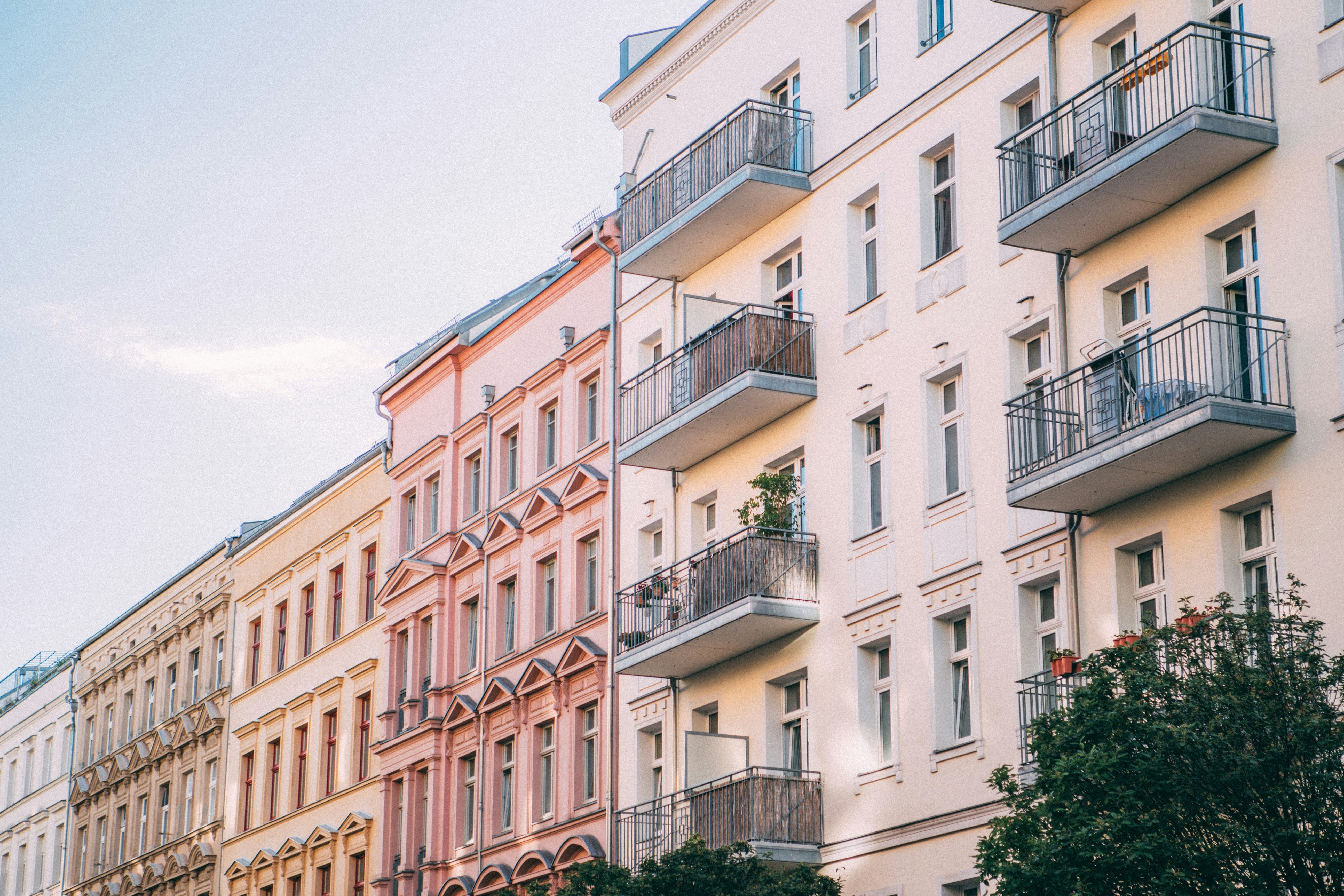
Where in Berlin should you buy an apartment? The answer doesn’t depend on which area is “trendiest,” but rather on your budget, intended use, and how long you plan to hold the property. At Sweet Home Berlin, we first filter districts by strategy, then by micro-location and building.
This comparison links all of our Berlin district pages and helps you build your shortlist.
Citywide listings: Buying an apartment in Berlin.
Before you choose a district: three questions
- Will you live there yourself or rent it out? Neighborhoods suitable for families and those for investors are rarely the same streets.
- What’s your budget, including utilities? See Additional Costs When Buying in Berlin and Down Payment for Buying a Home.
- What price and rental expectations are realistic? For reference: Real estate prices in Berlin and rental prices in Berlin.
Additional guidance for investors: Best districts for real estate in Berlin.
Central and established locations

Buying an apartment in Berlin Mitte, highest visibility, wide range of prices between prime locations and neighborhoods like Wedding. Good for buyers who prioritize a central address.
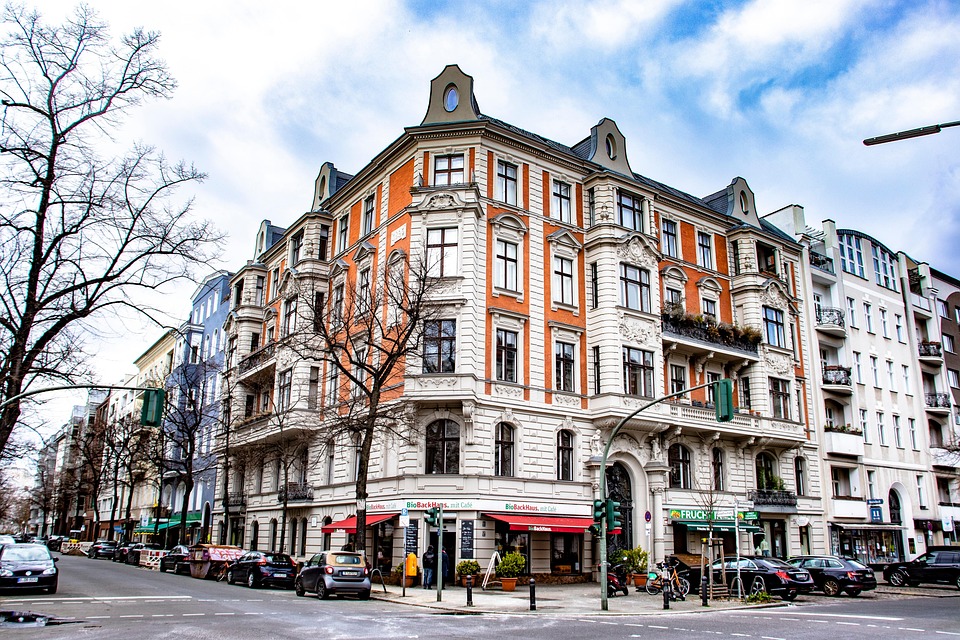
Buying an Apartment in Charlottenburg, classic western Berlin, mixed demand from owner-occupiers and investors.
Buy an apartment in Prenzlauer Berg, popular with families and long-term renters; prices often above the city average.
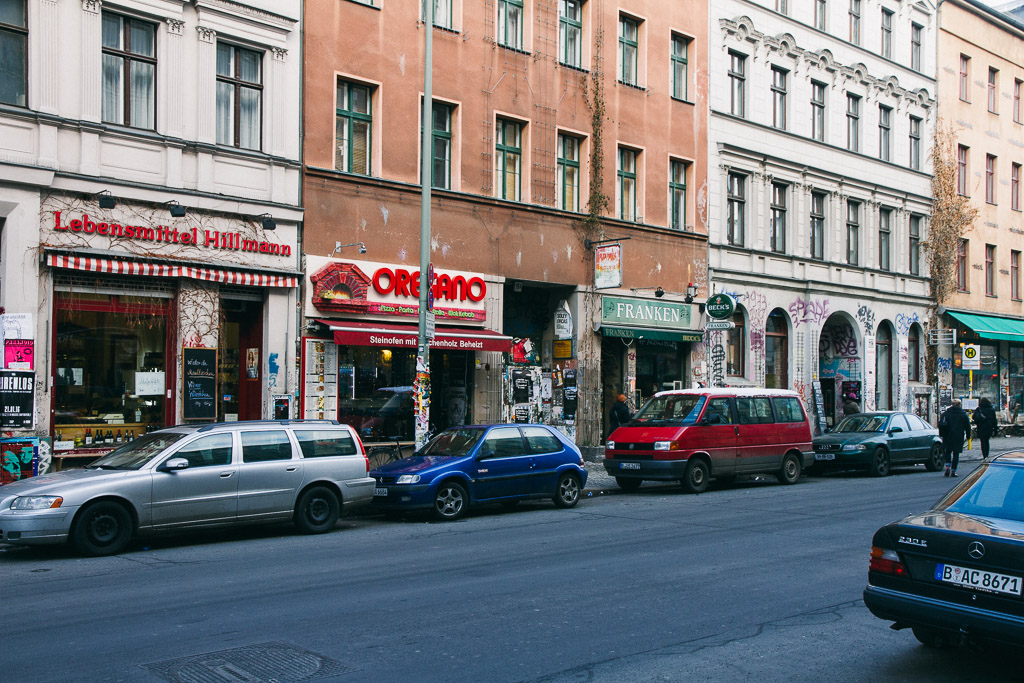
Buy an apartment in Friedrichshain-Kreuzberg and specifically Buy an apartment in Kreuzberg, urban locations, significant differences in micro-locations from street to street.
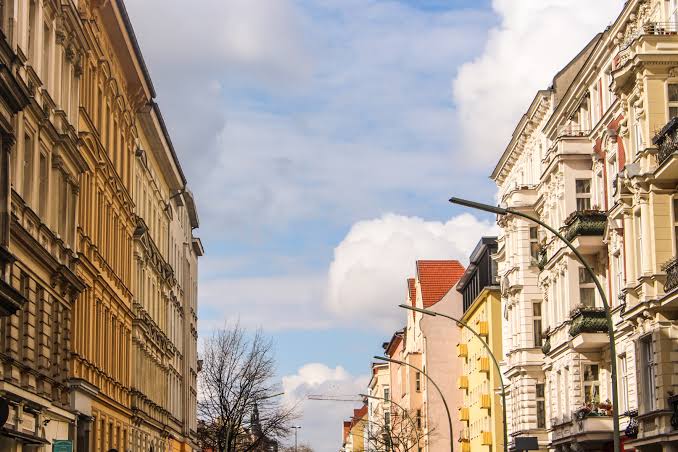
Buying an Apartment in Schöneberg, Everyday charm, good transportation links, often a middle ground between the city center and the outskirts.
Entry-level options and appreciation potential
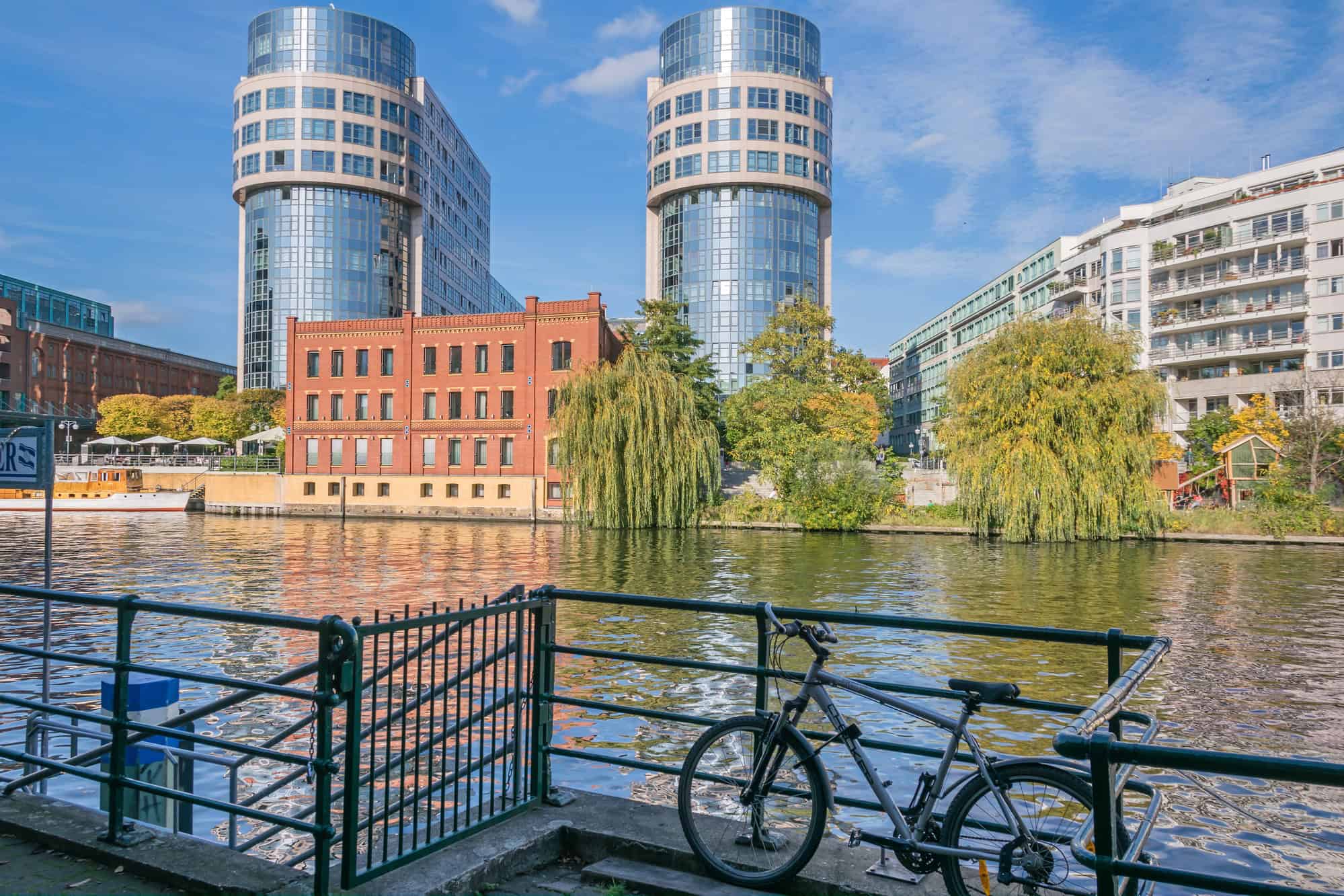
Buy an apartment in Moabit, more central than many people think, with entry-level options if you carefully inspect the building.
Buy an apartment in Wedding, Close to downtown at different price points; the micro-location is key.
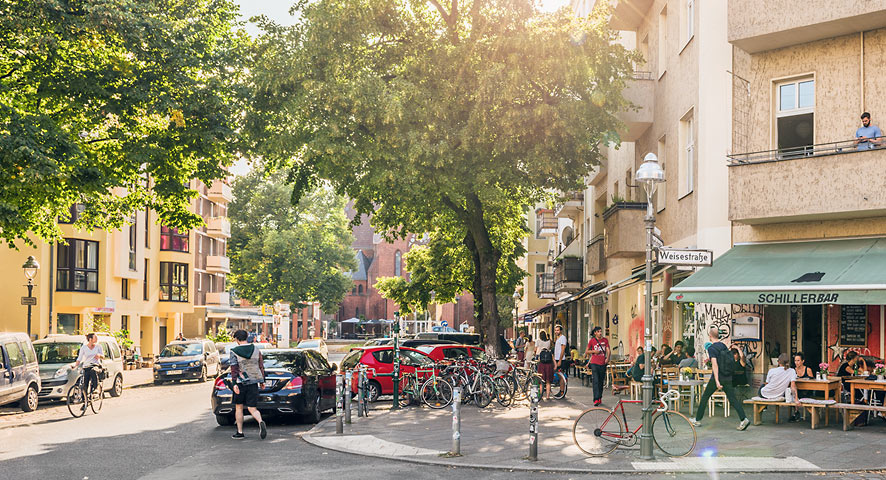
Buy an apartment in Neukölln, Relatively affordable entry point, but no uniform market.
Buy an Apartment in Tempelhof, Often family-friendly, with good transportation links to the south.
Outer Districts and Peace and Quiet
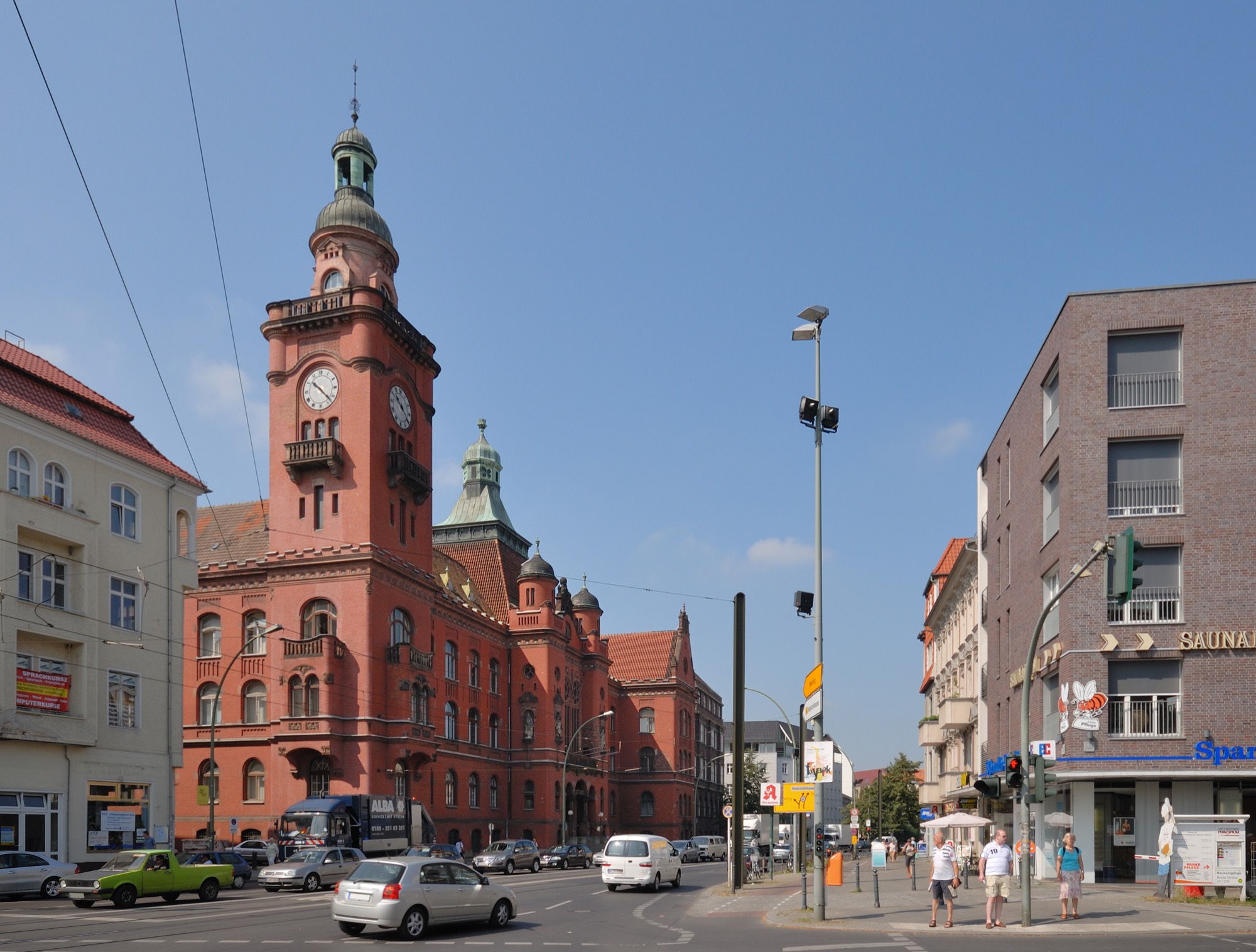
Buying an Apartment in Pankow, a large district with very diverse neighborhoods; not to be equated with Prenzlauer Berg.
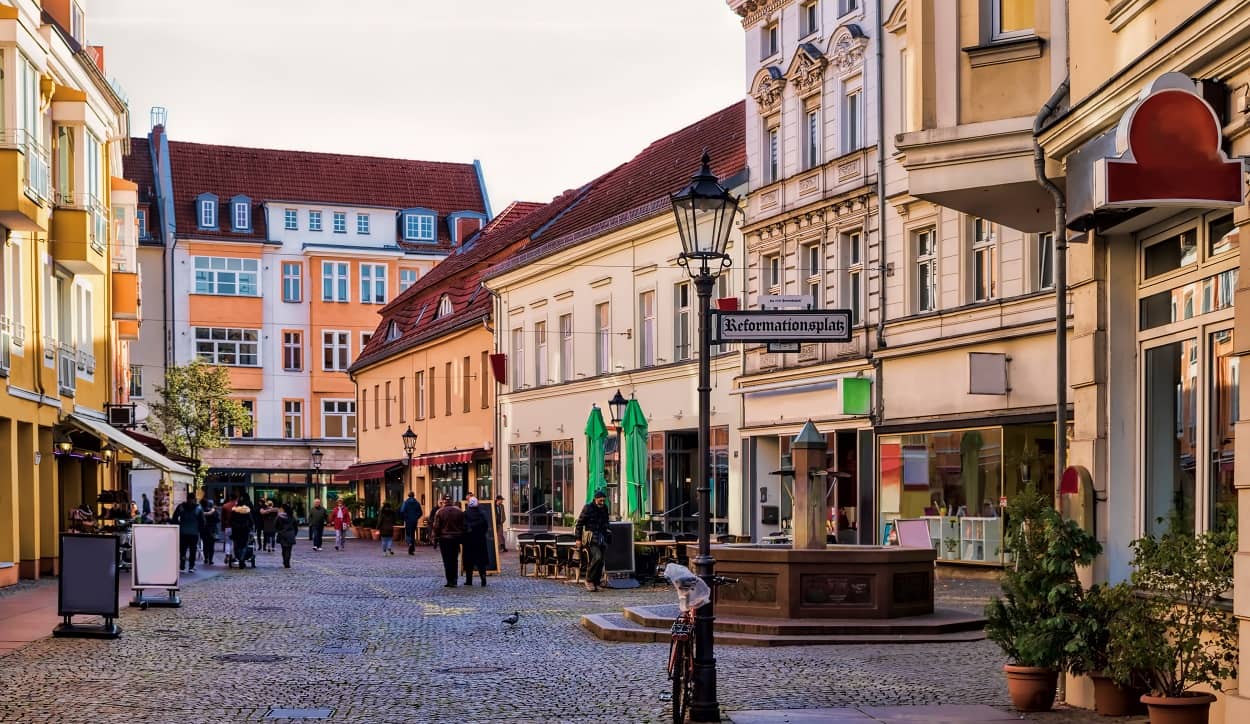
Buy an apartment in Spandau, often more affordable entry-level options, but longer commutes to downtown.
Buy an apartment in Reinickendorf, quieter locations; check property quality and transportation connections.
Quick District Comparison for Buyers
| If you … | First, consider |
|---|---|
| prioritize a central location | Mitte, Charlottenburg, Kreuzberg/Friedrichshain |
| are looking for a family-friendly lifestyle | Schöneberg, Tempelhof, parts of Pankow, see also Berlin neighborhoods for families |
| Looking for an affordable entry-level price | Moabit, Wedding, Neukölln, Spandau, Reinickendorf |
| Buy a rental property | Check current rent and tenancy laws: buying a rented apartment in Berlin |
| Weigh the pros and cons of new vs. older buildings | New construction or older building in Berlin |
How to Decide with Sweet Home Berlin
Our process is deliberately straightforward:
- Set a strategy and budget (including down payment and ancillary costs)
- Preselect 2–4 districts
- Evaluate the micro-location and the building
- Calculate the total cost and, if renting, the return on investment
Checklist before meeting with the notary: Berlin Apartment Purchase Checklist.
Micro-location trumps district marketing
Two apartments in the same district can be completely different investments: a noisy main street vs. a quiet side street, a renovated older building vs. one in need of renovation, a high-end vs. a modest residential area according to the rent index. That’s why Sweet Home Berlin prioritizes the street, the building, and the homeowners’ association, not the neighborhood’s Instagram-friendly name.
If you’re unsure, start with two districts from different segments (e.g., Charlottenburg and Moabit) and compare specific properties side by side.
Aligning Your Budget with Your Choice of District
A lower entry price in outlying areas only helps if the utilities, renovation needs, and daily living fit your needs. Conversely, a more expensive central location can make sense if the prospects for renting it out and reselling it are clearer. That’s why Sweet Home Berlin always calculates:
- Purchase price + utility costs + down payment
- realistic rent or residential value
- Capex and condominium association risk
Officially classify price levels: Berlin real estate prices (Appraisal Committee). Rent levels: Berlin rent prices (rent index).
The district name is only a starting point. The final decision comes down to the specific street and building.
Common Mistakes When Choosing a District
- Focusing solely on the district name, without checking the street, noise levels, and the building itself.
- Focusingonly on the lowest price per square meter, and forgetting about renovation costs.
- Focusingonly on the trendiest location, even though your budget and down payment aren’t enough.
- Focusing only on portal-listed rents, without distinguishing between the rent index and the actual rent.
Sweet Home Berlin combats these four mistakes with a brief strategy session before the list of properties to view grows. After that, the district, micro-location, and property inspection come in that order.
Read more: Best Berlin Neighborhoods for Real Estate and the Berlin Apartment-Buying Checklist.
For international buyers
The district-based approach is the same, the process often requires more lead time for bank accounts, identification, and financing. Guidance: Foreigners buying real estate in Berlin. Sweet Home Berlin also guides you through this process, from the shortlist to preparing for the notary appointment.
How to Build Your Shortlist in a Week
Days 1–2: Determine your budget, down payment, and intended use. Day 3: Select two to four districts from the list above. Days 4–5: View specific properties and assess the micro-location. Days 6–7: Calculate the total cost; if renting out, determine the return on investment and review the lease agreement. Sweet Home Berlin can help you streamline this process, especially if you’re buying from outside Berlin.
If you have more time, delve deeper into the building and the homeowners’ association (WEG). If you’re short on time, don’t juggle too many districts at once, narrow down your shortlist instead.
Conclusion: Where to buy an apartment in Berlin?
There is no “winner” district for 2026. There are suitable combinations of budget, intended use, and micro-location. Use the district pages as filters, the price and rent guides as a framework for figures, and Sweet Home Berlin to help you decide on a specific property.
Frequently Asked Questions
Where in Berlin should you buy an apartment in 2026?
There’s no “best” district for everyone. Match the location to your intended use, budget, and how long you plan to stay, then check the specific street, not just the district name.
Which district is the most affordable?
Outlying areas like Spandau or parts of Reinickendorf are often below the city average, but the specific property and capital expenditures can eat into that advantage.
Is the district name enough?
No. In Berlin, it often comes down to just a few blocks. Use district pages as a filter, then focus on the micro-location on the ground.
Can foreigners buy property in any district?
Yes, in principle. The process is the same, details: Foreigners Buying Real Estate in Berlin.
Two areas that search often treats as one district have their own buying guides: buying an apartment in Moabit and buying an apartment in Neukölln. The district pages stay the place for current listings.
Next Step
If you’d like to know where in Berlin an apartment fits your strategy, we’ll help you shortlist properties, schedule viewings, and provide an honest overall cost estimate.
Get started: Buying an Apartment in Berlin.